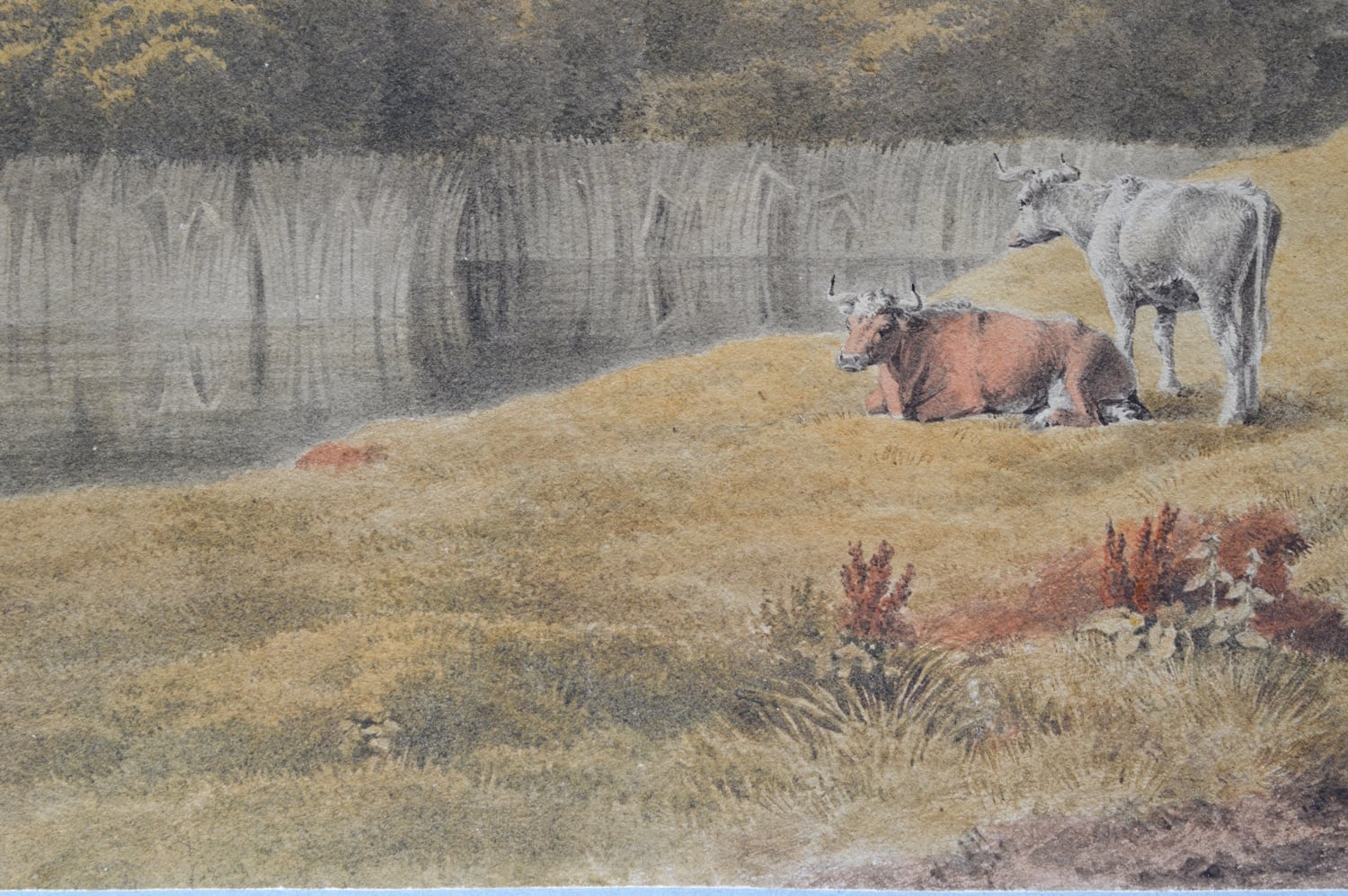
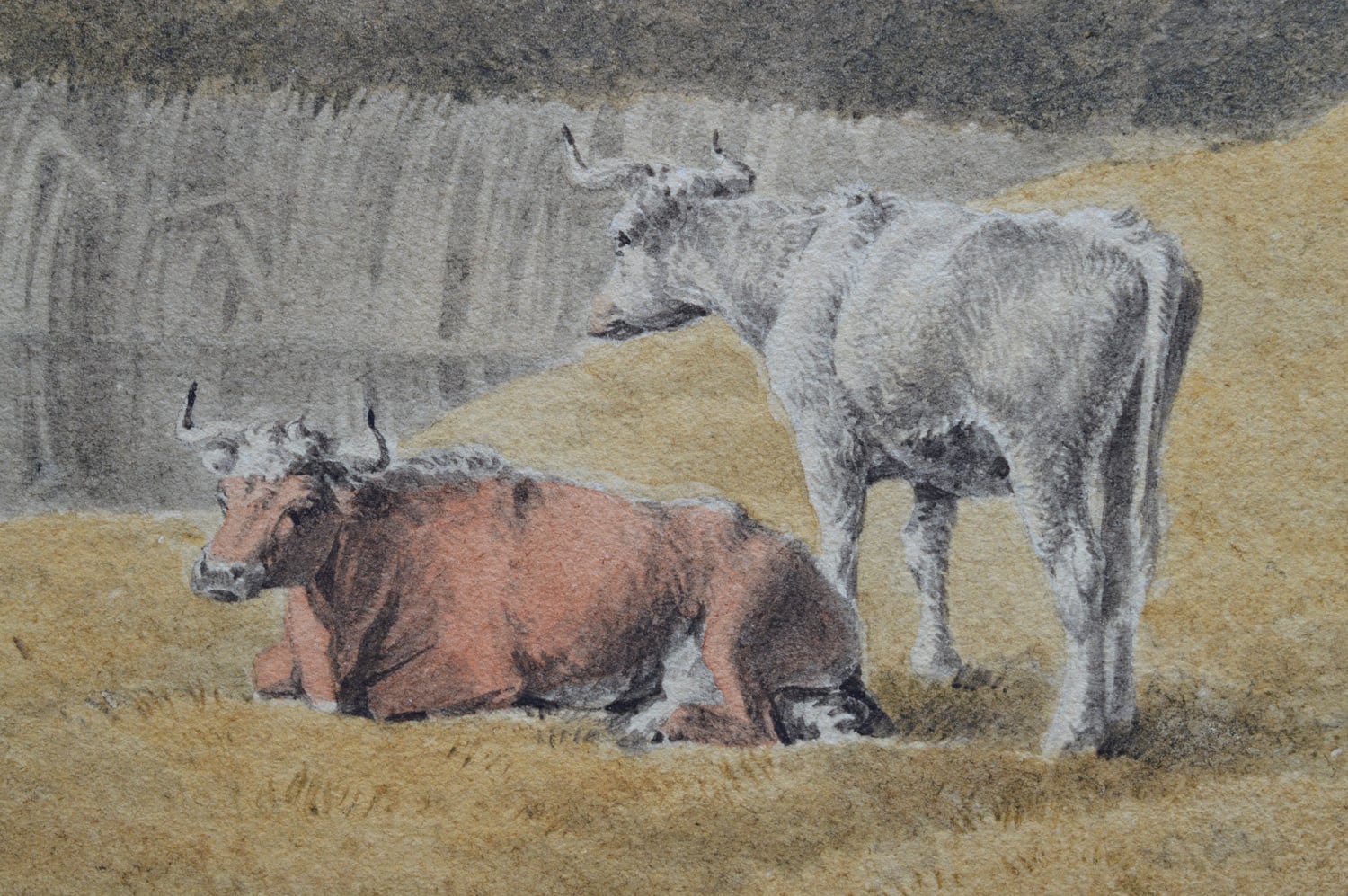
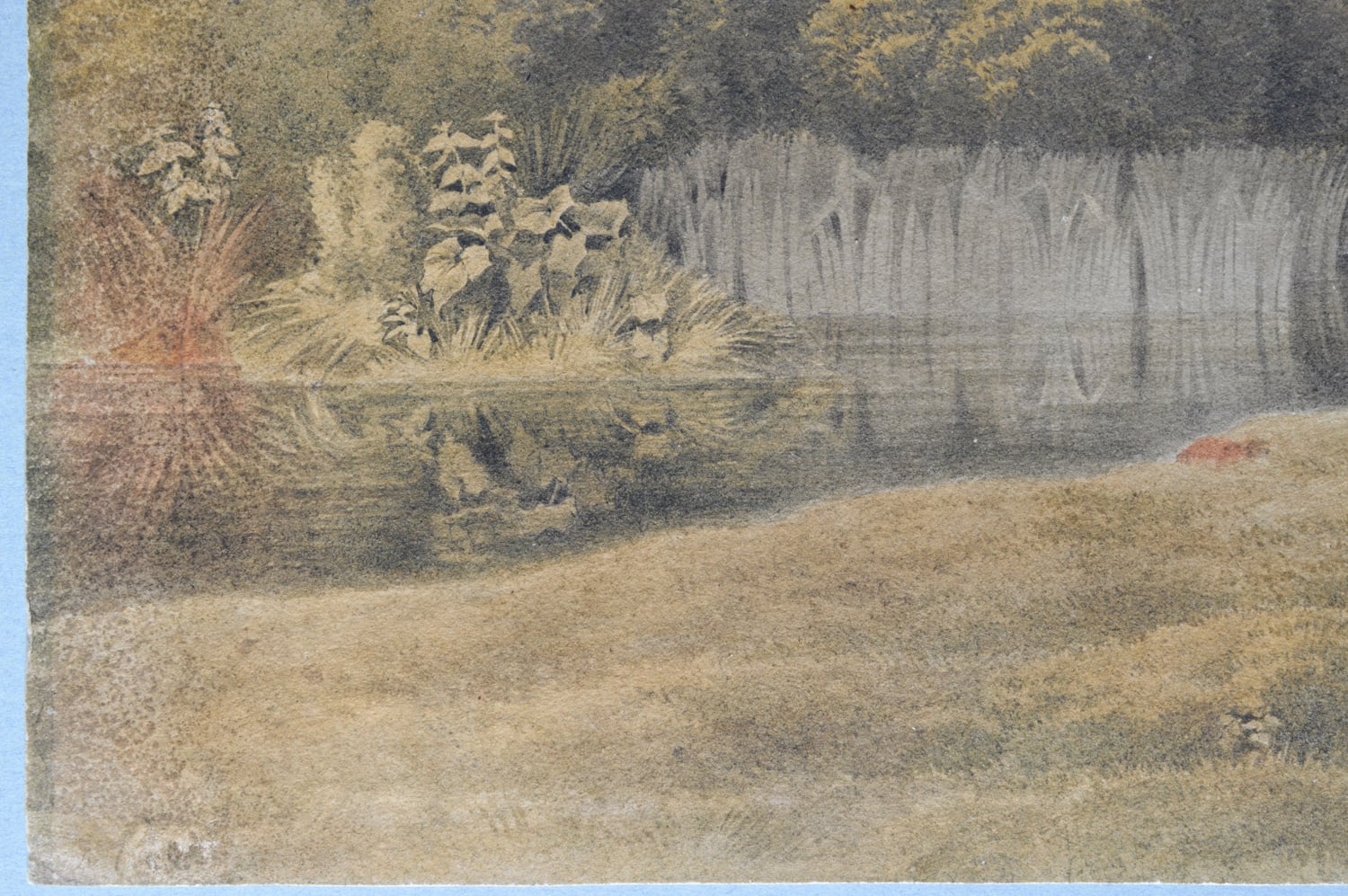
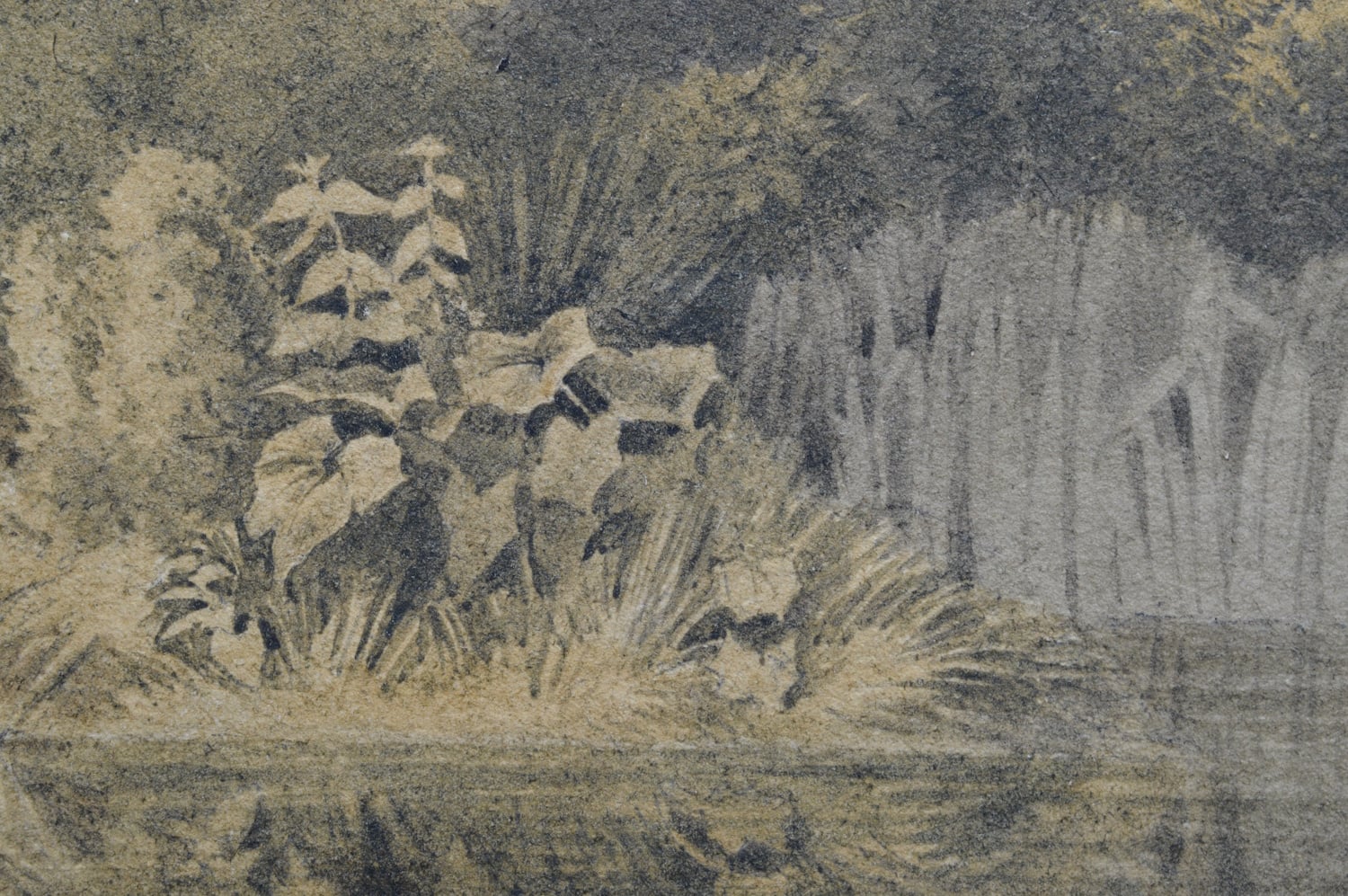
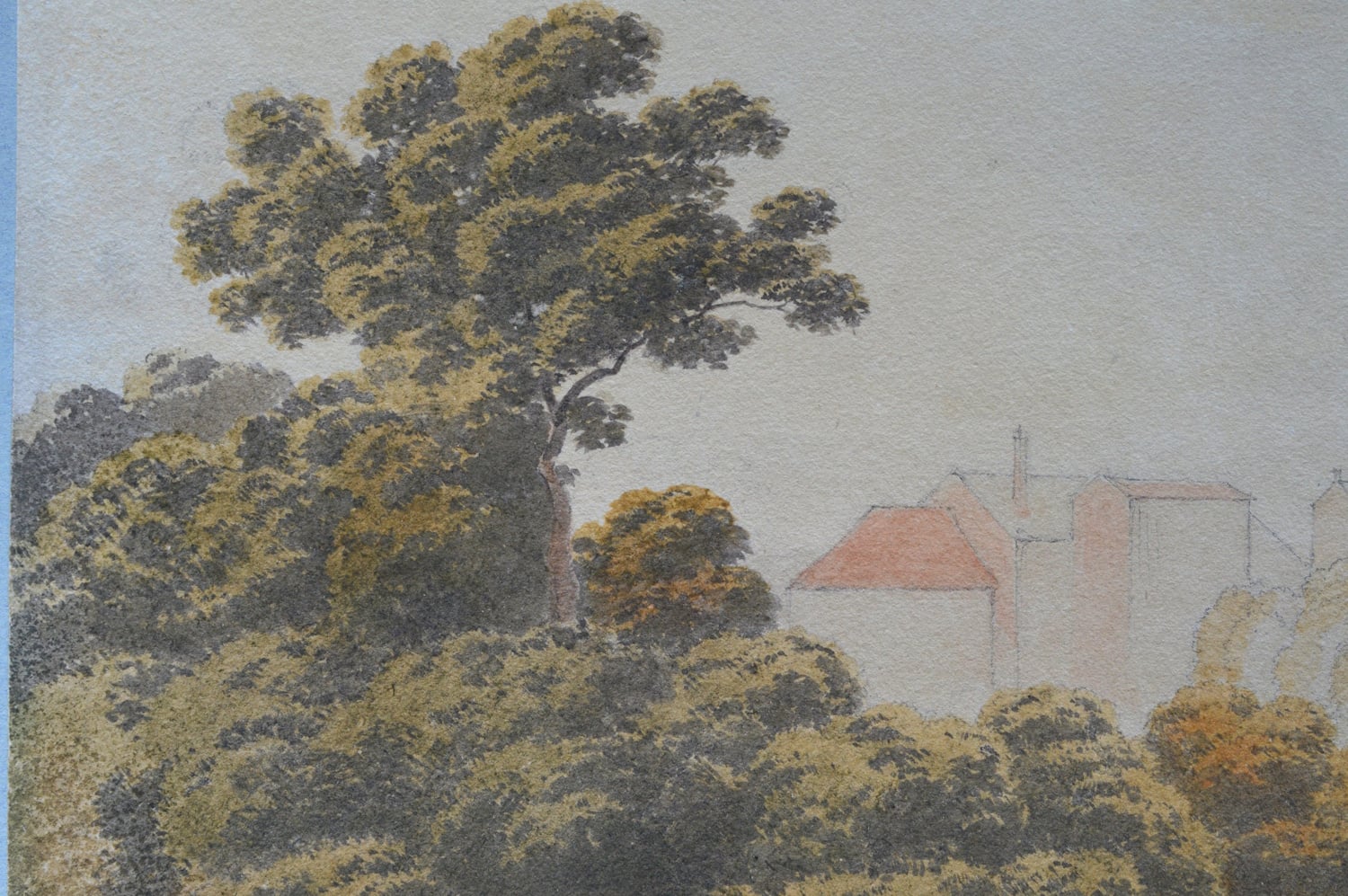
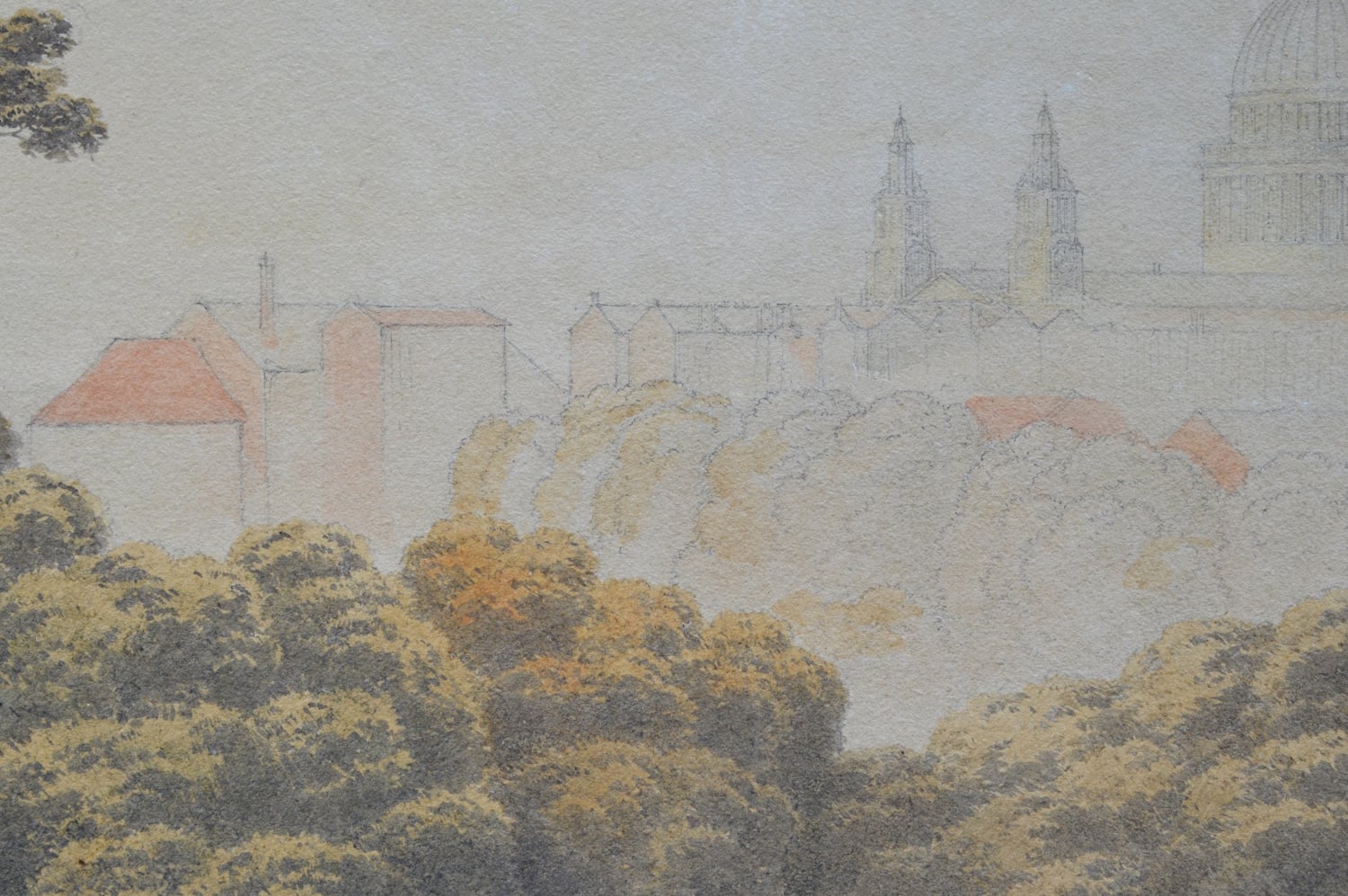
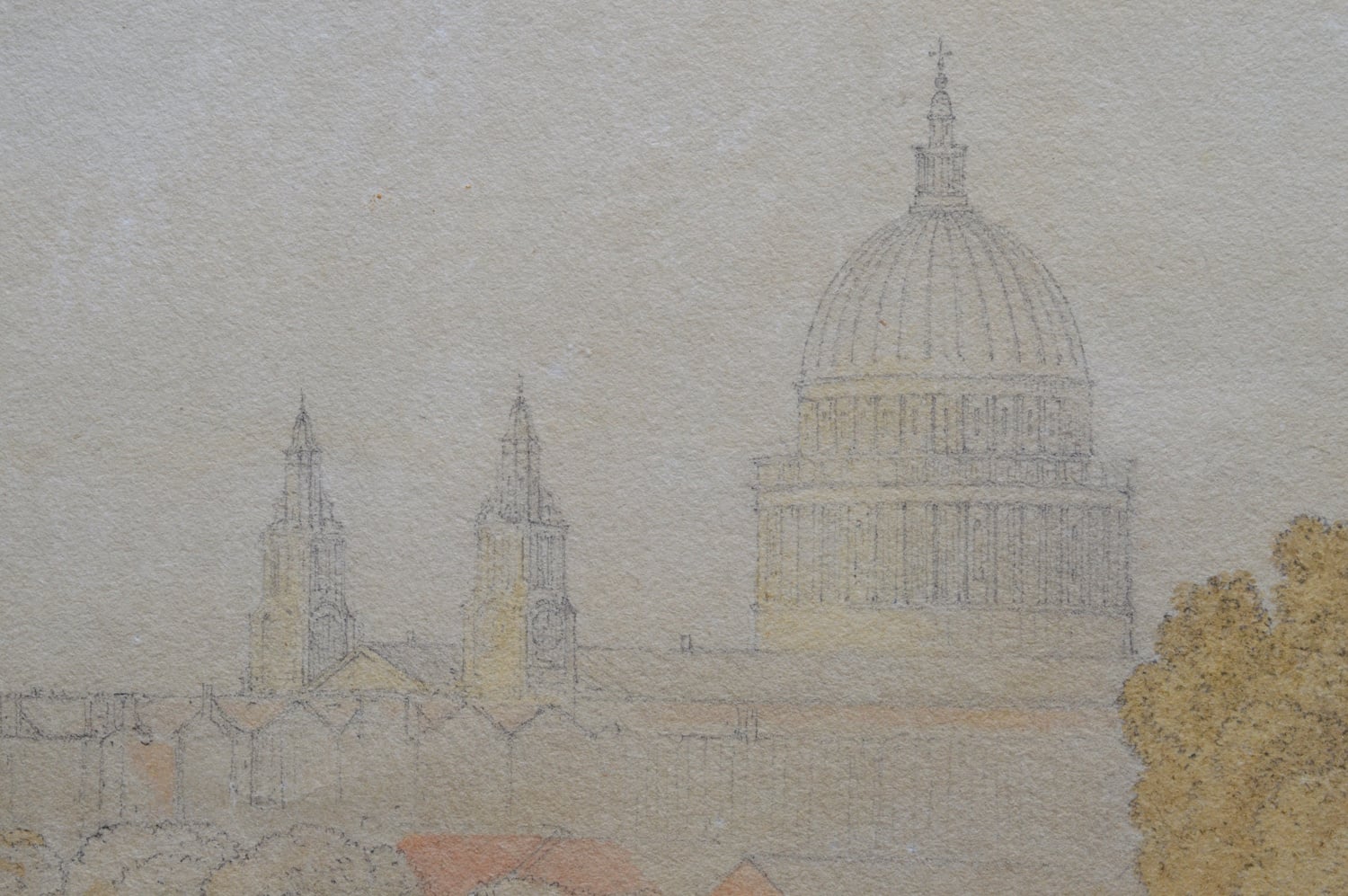
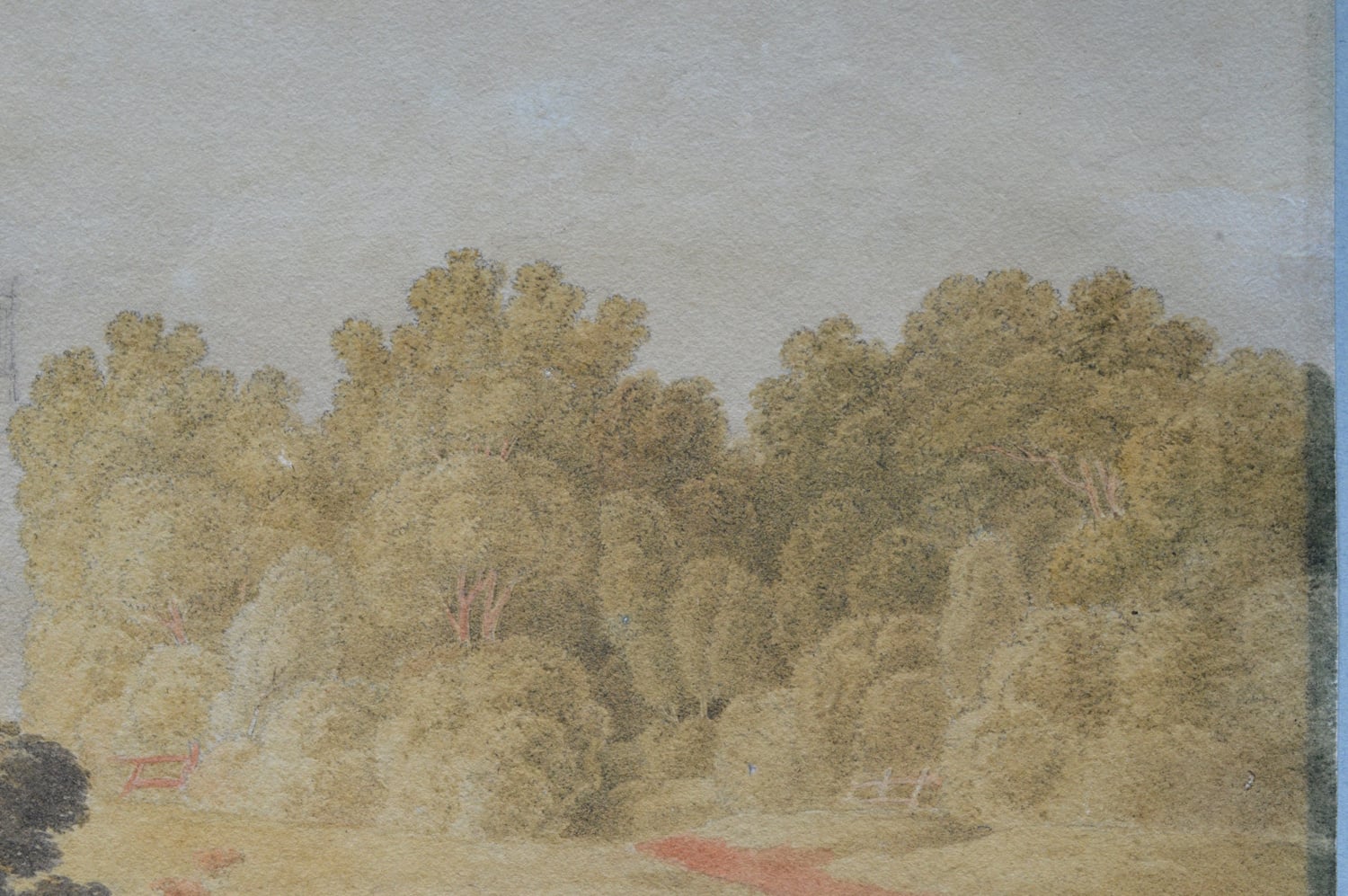
Description
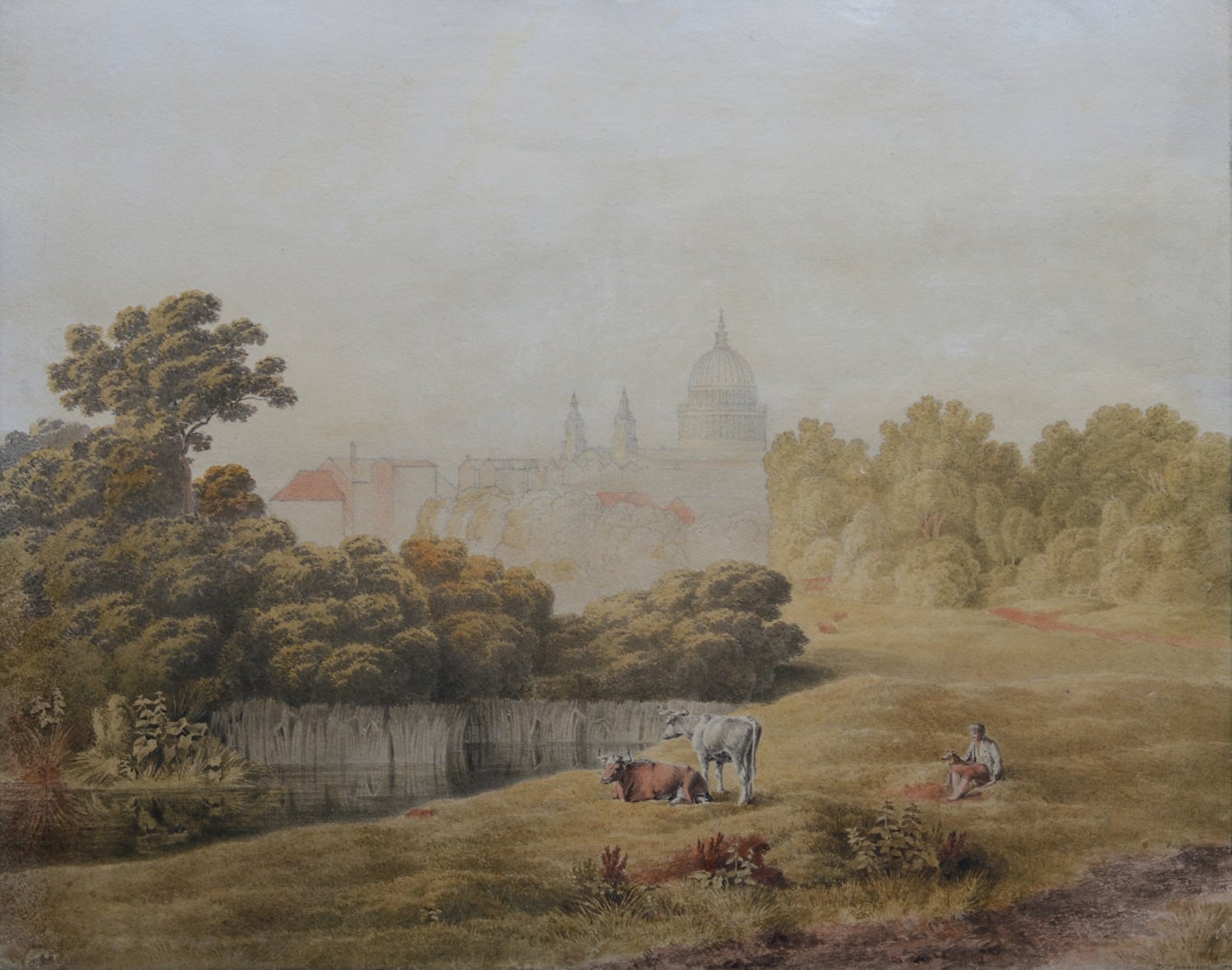
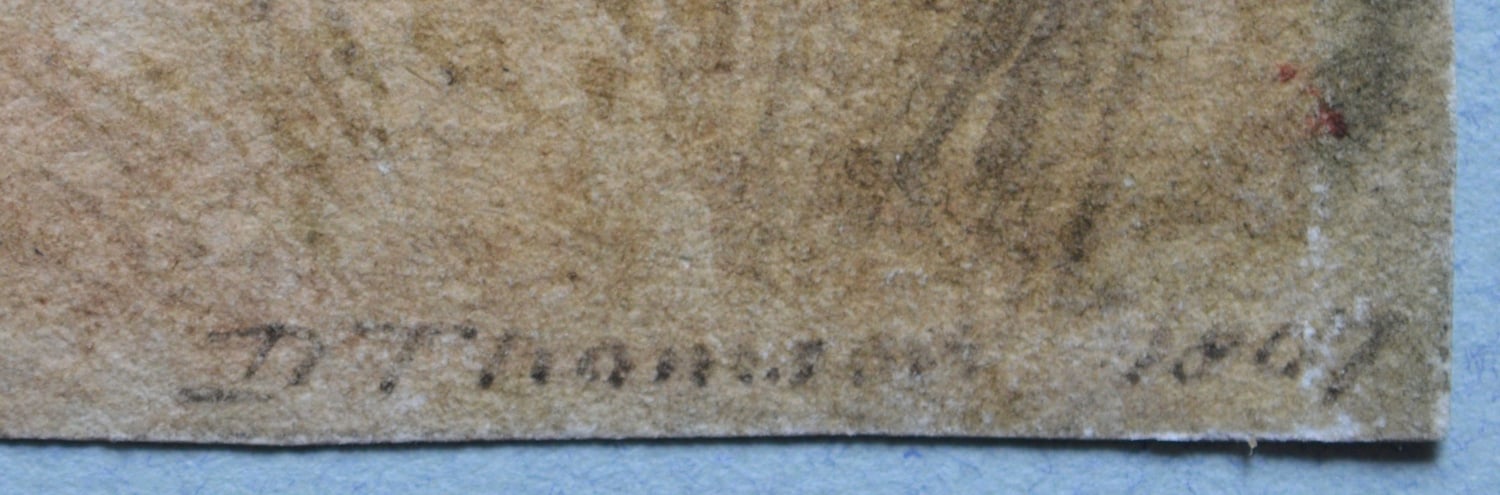
David Thomson (d.1815) was by profession an artist and an amateur musician., he exhibited landscapes at the RA 1, BI 1, and 3 others from 1807 to 1813. Records show that in 1807 he was sharing accommodation at 122, Piccadilly, with the miniature painter, William John Thomson R.S.A. (1771-1845). Both artists exhibited at the R.A. in the same year. His brother George Thomson (1757-1851) was a music collector and publisher. David provided illustrations and songs for his brother George’s collections of national airs. With Muzio Clementi of London he published his own collection, ‘The melodies of different nations’, and a collection of Mozart songs with his own lyrics. In 1806 he made a tour to Wales to create illustrations for George’s collection of Welsh airs, and by 1813 he was based in London. Joanna Baillie wrote fondly of him in a letter to George Thomson of 17 June 1815 (BL, Add. MS 35264, fols. 218–20), the year of David’s death. She spoke of ‘his worth and his various talents.’ Keith Thomson, a half-brother (d.1855), was a leading teacher of music at Inverness. Paton Thomson, the engraver (cf. Redgrave), was probably a relative.
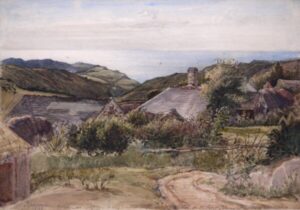
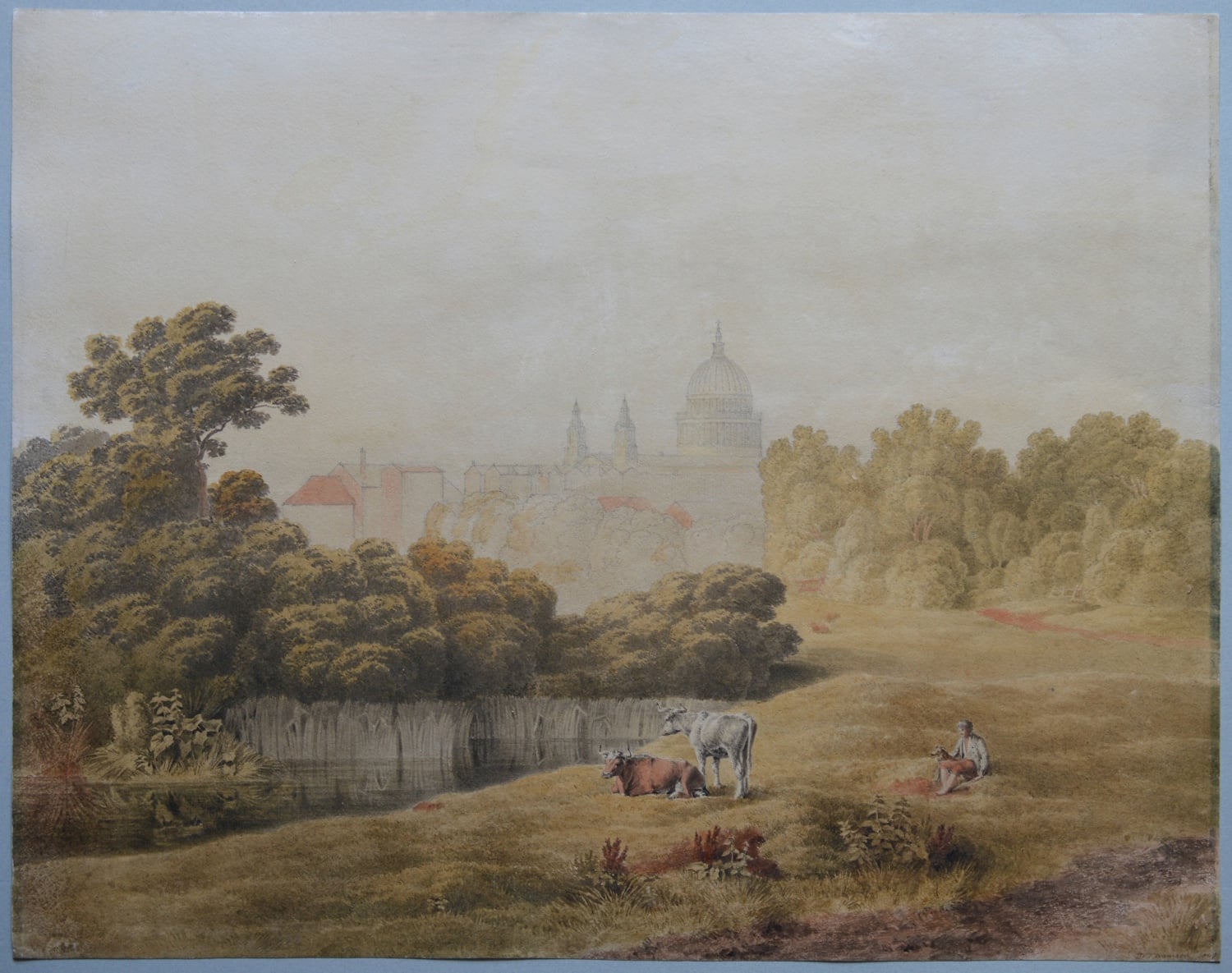
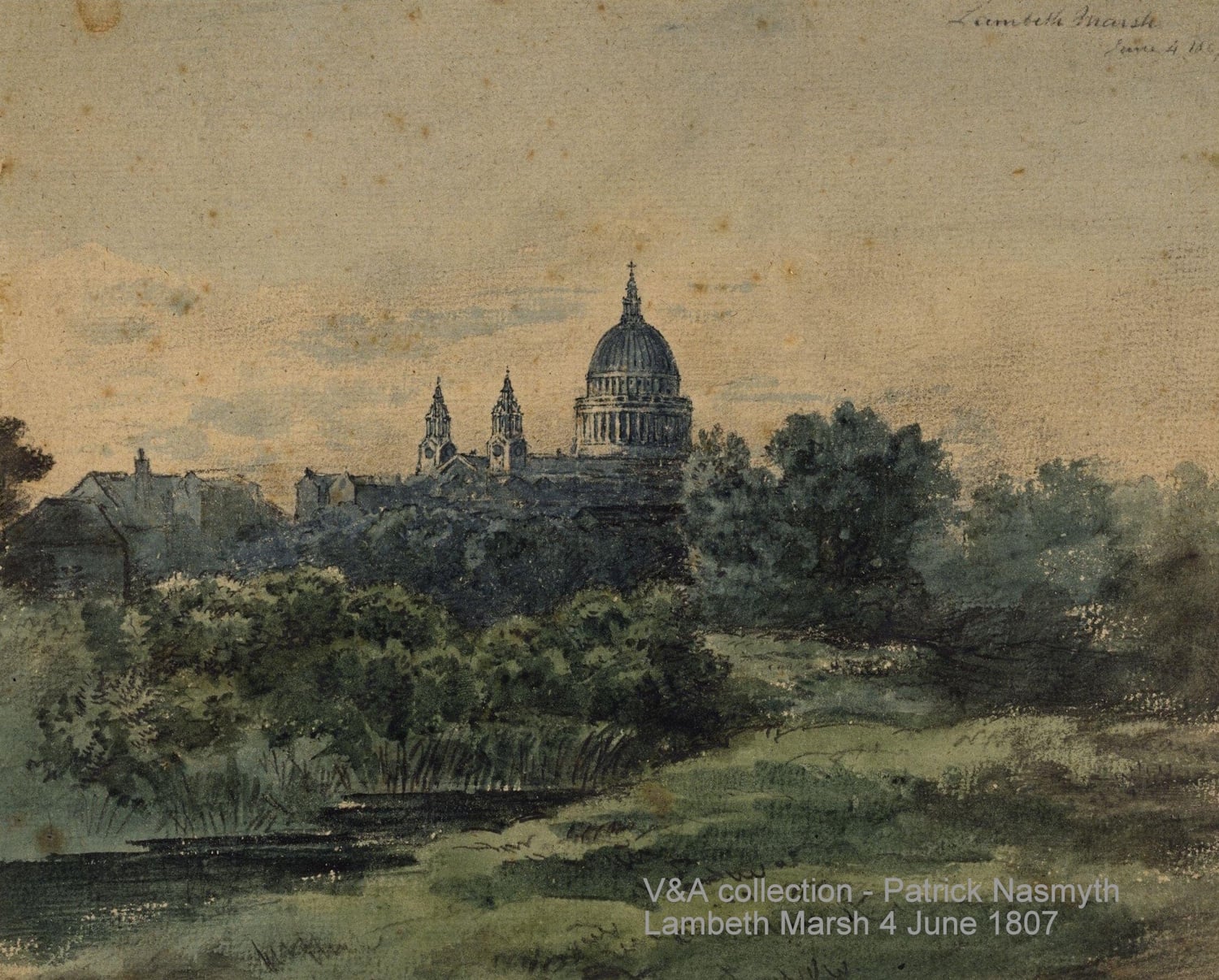
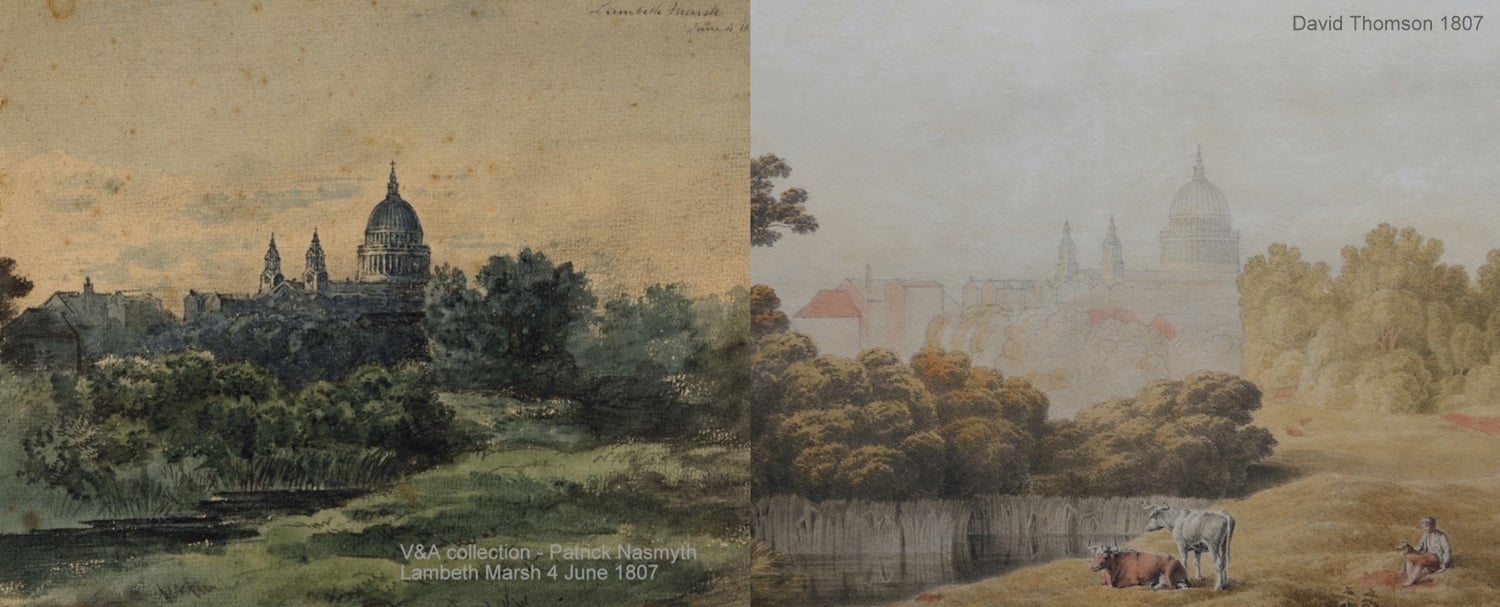
The V&A Museum holds a sketch by Patrick Nasmyth (1787–1831) showing an identical view he produced the same year, see photograph: Lambeth Marsh by Patrick Nasmyth, 4 June 1807, it suggests a connection between the two artists. David and his brother George would certainly have known Patrick through his father, Alexander Nasmyth, who supplied drawings for George’s music publications. David and Patrick may therefore have sketched Lambeth Marsh together during an excursion; both drawings can be seen in the photo showing the two pictures joined next to each over.
David’s brother, George Thomson (1757–1851) was a successful Scottish music collector and publisher, and a friend of Robert Burns. He commissioned and corresponded with around forty writers, including Burns and Walter Scott. Working from home, Thomson used banking and diplomatic channels to exchange correspondence and manuscripts with contacts across Europe. His volumes, issued by John and Thomas Preston of London, featured drawings by R. T. Stothard, David Wilkie, David Allan, Alexander Nasmyth, and David Thomson.
Patrick Nasmyth (1787-1831) was born in Edinburgh; he was the eldest of 11 children of the Scottish artist Alexander Nasmyth (1758-1840). One of his brothers was the engineer James Nasmyth, who worked for a while in Lambeth. He studied under his father, and his talents were soon recognised. He moved to Lambeth in 1807 where he specialised in landscape subjects painted in both oil and watercolour and often sketched in the vicinity at a time when much of it was still country.
According to his brother,
“the immediate neighbourhood of London abounded with the most charming and appropriate subjects for his pencil. These consisted of rural ‘bits’ of the most picturesque but homely description – decayed pollard trees and old moss-grown orchards, combined with cottages and farm-houses in the most paintable state of decay, with tangled hedges and neglected fences, overrun with vegetation clinging to them with all ‘the careless grace of Nature’. However neglected these might be by the farmer, they were always tit-bits for Patrick. When sketching such subjects he was in his glory, and he returned to his easel loaded with sketch-book treasures, which when painted form the gems of many a collection. In some of these charming subjects’ glimpses of the distant capital may be observed, with the dome of St. Paul’s in the distance; but they are introduced with such skill and correctness as in no way to interfere with the rural character of his subject…”
He achieved considerable success, and his paintings were much sought-after. He died at Lambeth on 17 August 1831.