Description
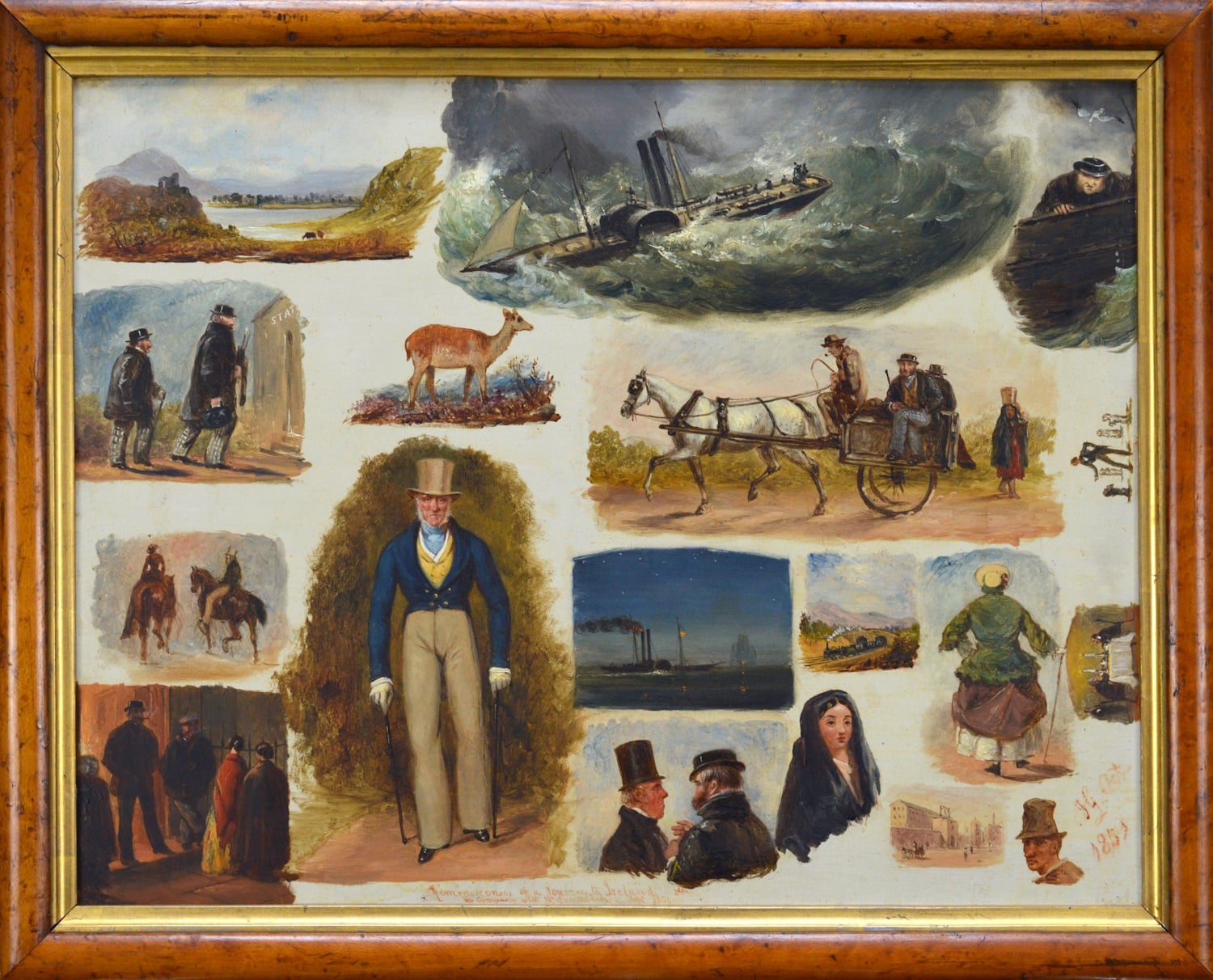
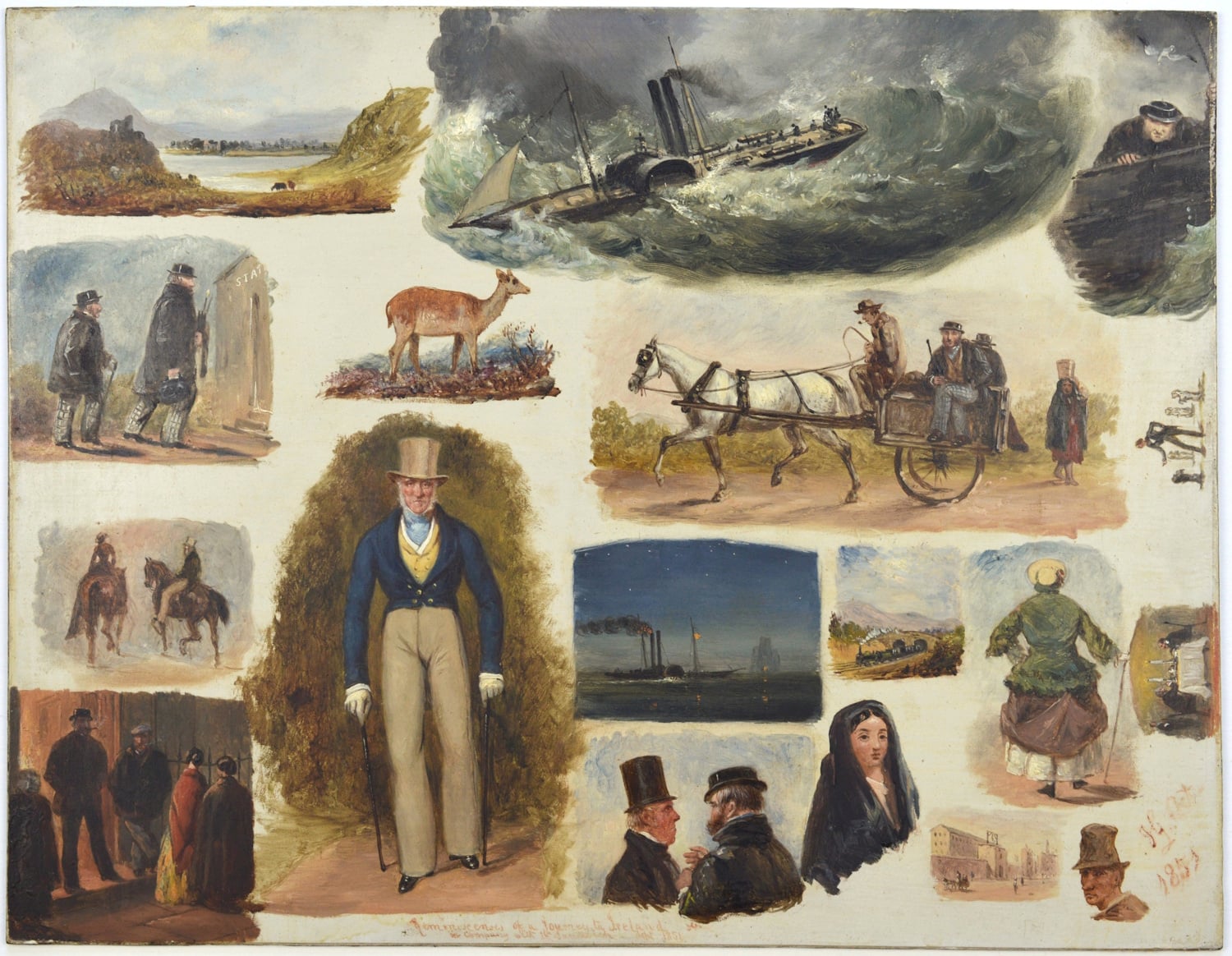
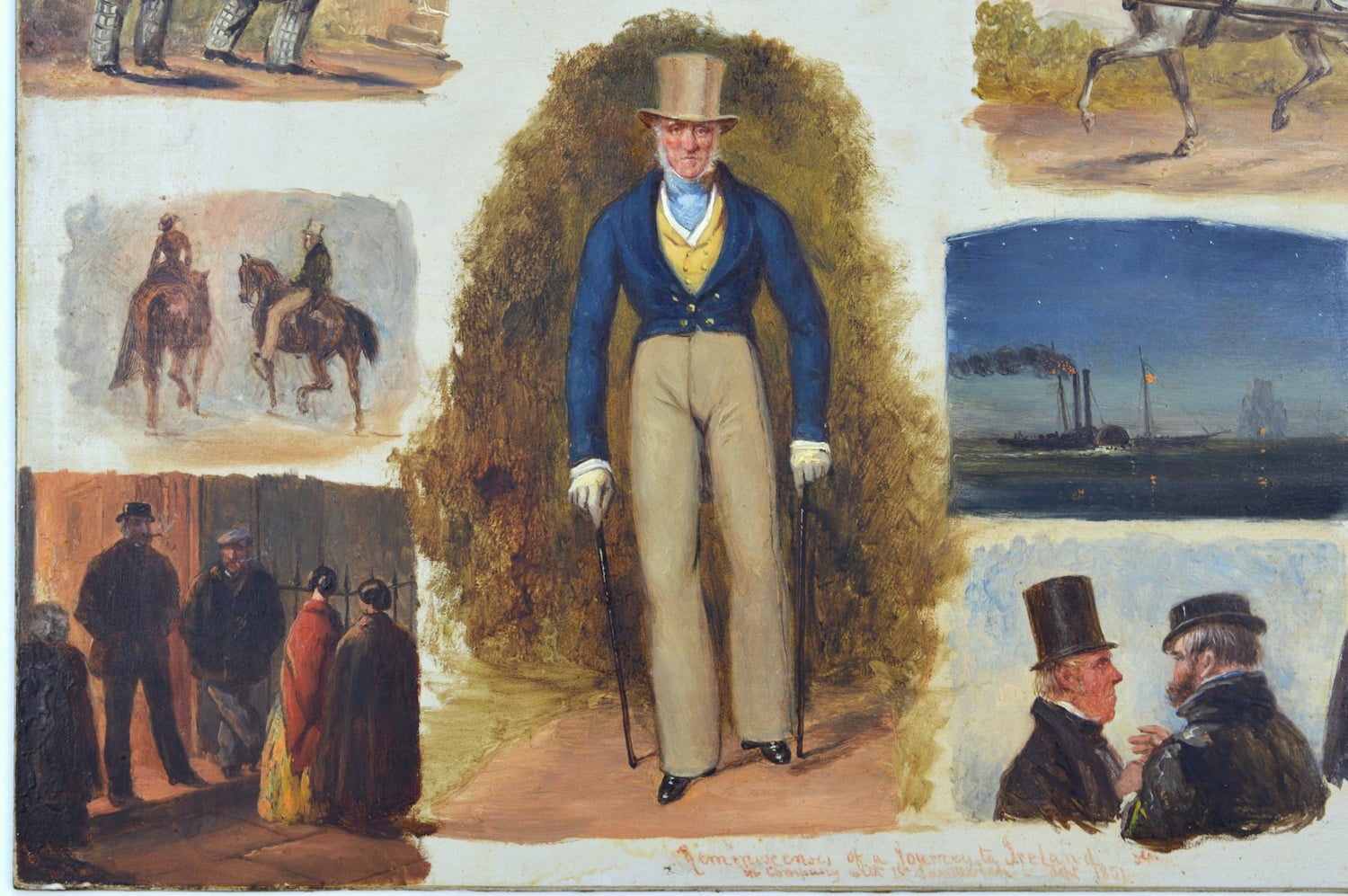
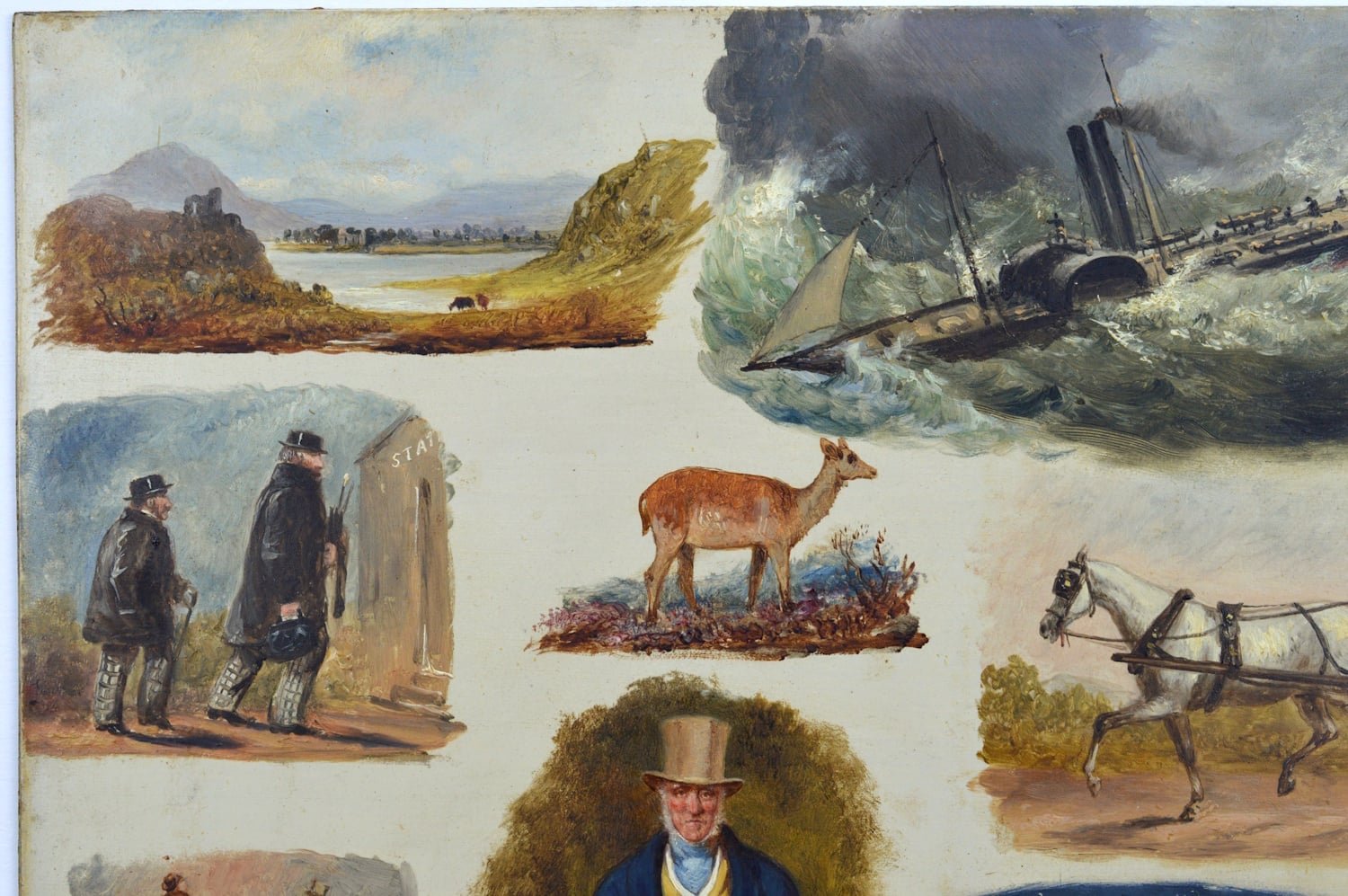
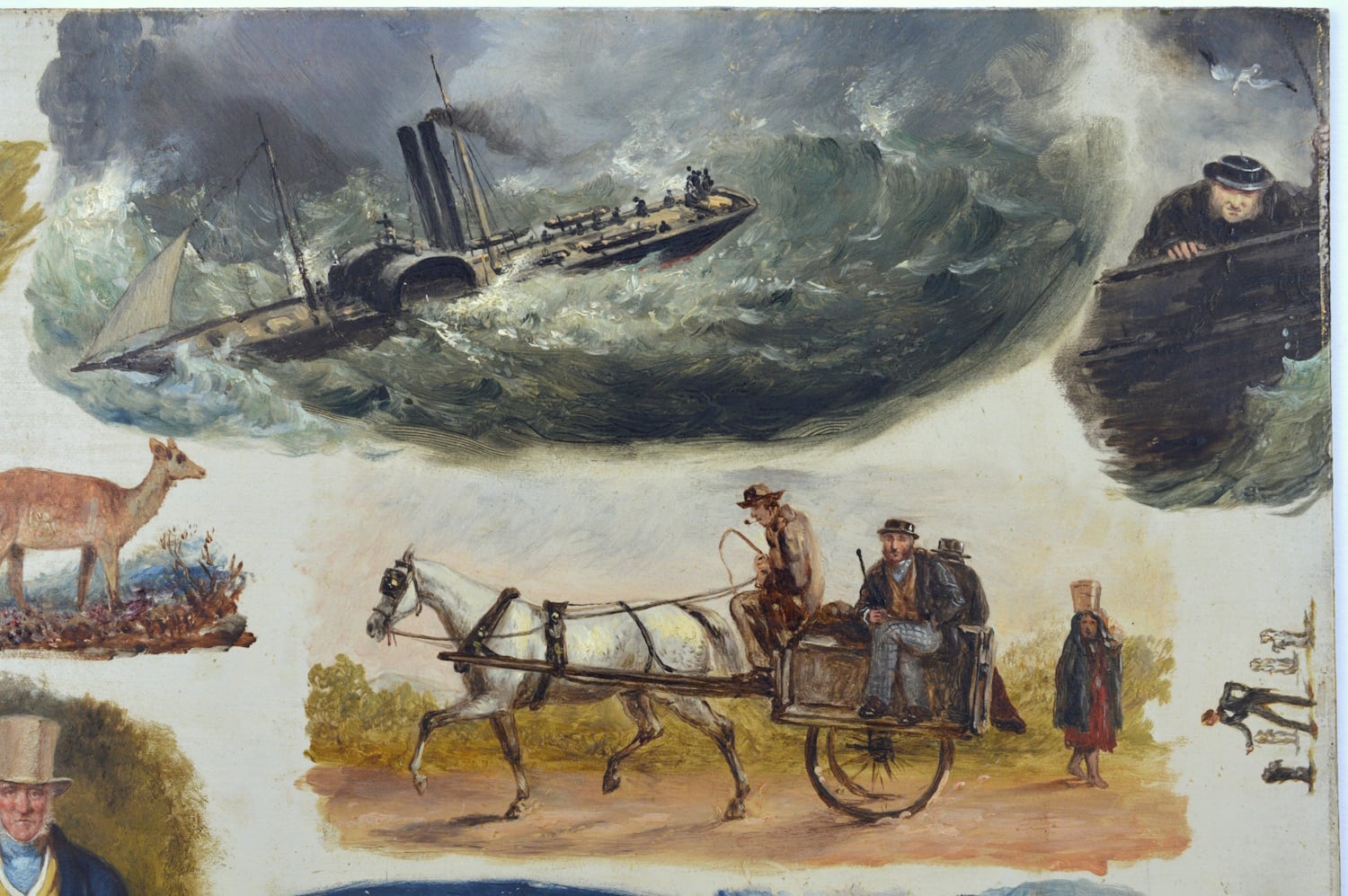
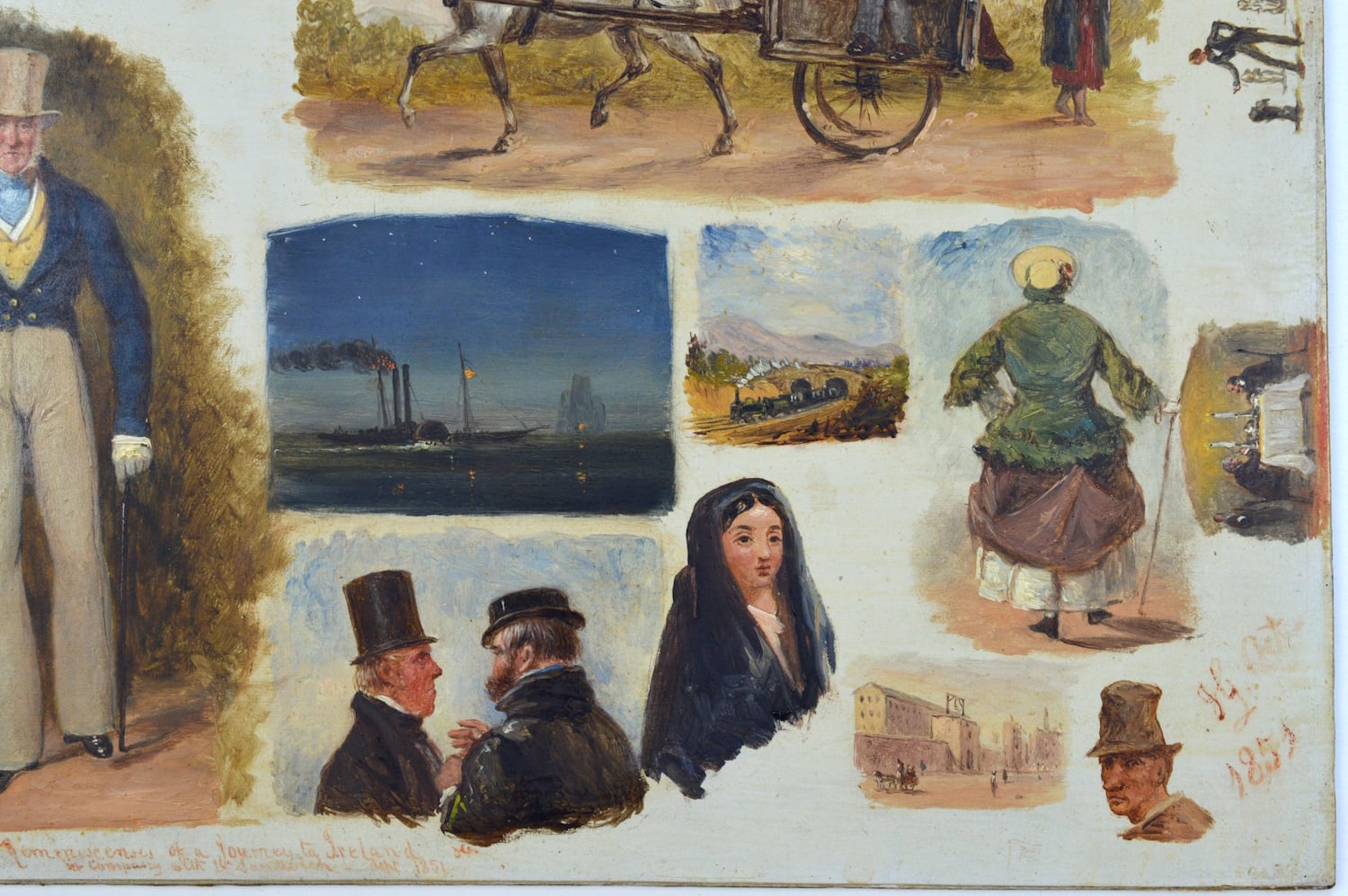
The specific event referenced in the vignettes is the official liquidation and sale of the Irish ancestral estates belonging to John William Montagu, which culminated between September and October 1851. While the 7th Earl lived primarily at Hinchingbrooke House in Huntingdonshire, England, his trip to Ireland during this exact window was a high-profile business and legal venture. It was triggered by the aftermath of the Great Irish Famine and the introduction of the Incumbered Estates Act.
Overview of the 1851 Irish Trip
The 7th Earl of Sandwich travelled to Ireland to personally oversee and finalize the offloading of his heavily encumbered properties.
- The Primary Location: His family held a long-standing “moiety” (shared ownership) of vast agricultural lands across County Limerick and County Armagh.
- The Legal Context: Following the Great Famine, British landlords with massive debts on Irish properties used the Incumbered Estates Court (established in 1849) to sell lands quickly to clear obligations. Lord Sandwich used this court to auction off thousands of family-owned Irish acres.
- The Chronology: Historical land archives and corresponding legal records—such as the collection explicitly tracking the Sale of Irish Estates of the Earl of Sandwich, 1807–1851—conclude with a final memorandum dated October 1851. This marked the formal end of his trip and his family’s footprint as landlords in the region.
Family Background at the Time
During his 1851 trip, the 39-year-old Earl was balancing his duties as the Lord Lieutenant of Huntingdonshire with his expanding family. He was accompanied or supported via correspondence by his wife, Lady Mary Paget (the daughter of the Waterloo veteran, the 1st Marquess of Anglesey). Just as the final Irish estate transactions wrapped up in mid-October 1851, his wife gave birth back in England to their daughter, Lady Sydney Charlotte Montagu.
Detailed administrative records, maps, and rental accounts from this specific 1851 Irish trip are split and preserved today within the National Library of Ireland and the Public Record Office of Northern Ireland (PRONI) under collection reference T/3059.